What should I do if my commercial cleaning company in Sydney does poor quality work?
If you’re dealing with poor quality commercial cleaning Sydney (missed areas, dirty bathrooms,
bins not emptied, floors still dirty after cleaning), you don’t need a drama-filled showdown.
You need a calm, documented, step-by-step process that either fixes the service fast — or makes switching providers easy.
KPIs for commercial cleaning
post-clean inspection report
rectification / re-clean request
WHS issues cleaning contractor
strata / building management cleaning complaint

1) Introduction & First Impressions
(1) lock the scope, (2) run a weekly inspection checklist, and (3) set a clear rectification window.
Product context (service)
This guide is for offices, strata committees, property managers, and facility managers using
NSW commercial cleaning services — especially after-hours in Sydney CBD buildings.
- Inconsistent cleaning quality
- Commercial cleaner missed areas
- Poor restroom cleaning office (smells, stains, empty soap)
- Streaky windows after cleaning
- Carpet cleaning done badly
- After-hours cleaning issues (missed shifts, alarm problems)
Credentials (EEAT / BIO)
This article is written in the same practical style used on Versatile Cleaning’s office cleaning resource hub:
Office Cleaning (Versatile Cleaning).
Real-world note: I’m not giving legal advice here. This is an operational “quality control playbook” you can use today.
Testing period: examples and benchmarks referenced from 2026 Sydney audits and KPI-style tracking.
Quick story (realistic Sydney example)
A finance office in Sydney CBD kept logging the same issues: bins missed, fingerprints on glass, and toilets “clean-ish” but still smelling.
The manager’s mistake was arguing in circles without evidence.
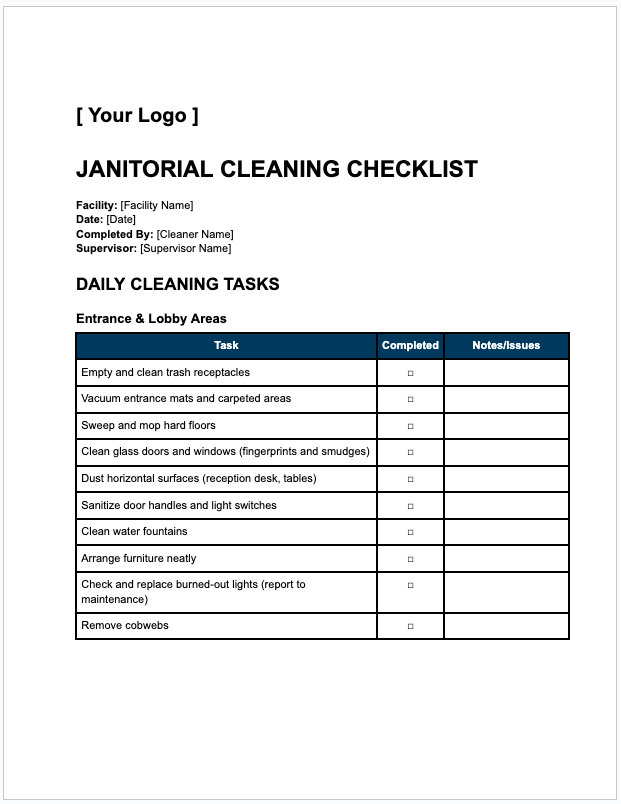
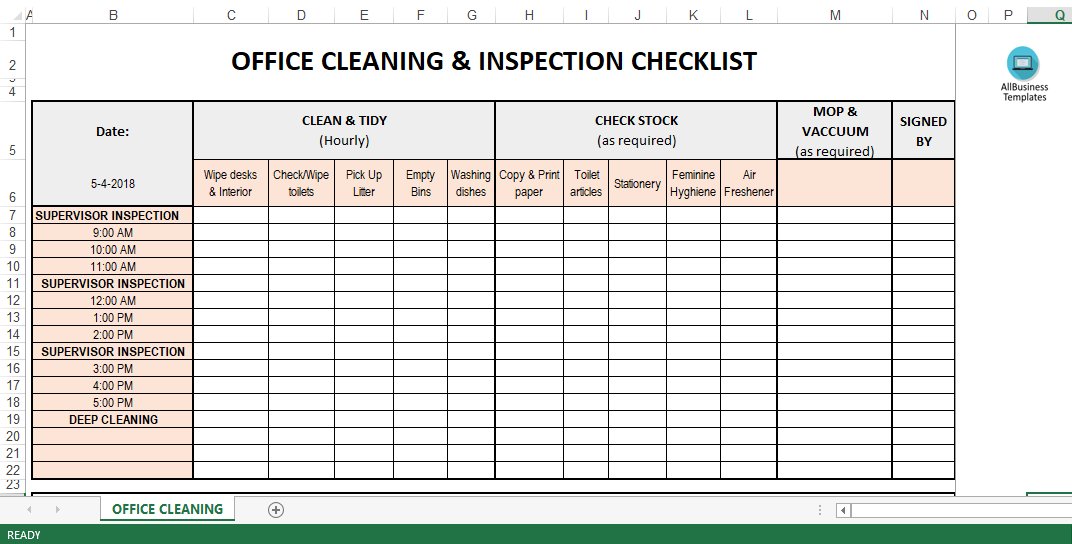
Once they started a simple cleaning inspection checklist template (photos + scores),
the contractor either improved quickly — or got replaced cleanly (no messy back-and-forth).
Fix or Switch Toolkit (interactive)
Use these tools to create a paper trail, request rectification, and (if needed) prepare to
terminate cleaning contract Australia-style with minimal disruption.
Tool A: 60-second “Quality Score”
Slide to match what you’re seeing. This helps you talk in facts, not feelings.
Tip: A score below 70 usually means “formal rectification notice”.
Tool B: Complaint + rectification email generator
Creates a professional “cleaning service complaints Sydney” email with a clear fix window.
Bonus: if you’re planning an invoice dispute (withheld payment cleaning service),
keep your tone calm and stick to documented misses + your agreed scope of works.
2) Service Overview & Specifications (what you’re actually buying)
“What’s in the box” (for cleaning services)
- A clear scope of works (SOW): what gets cleaned + how often
- A schedule: daily / weekly / monthly tasks
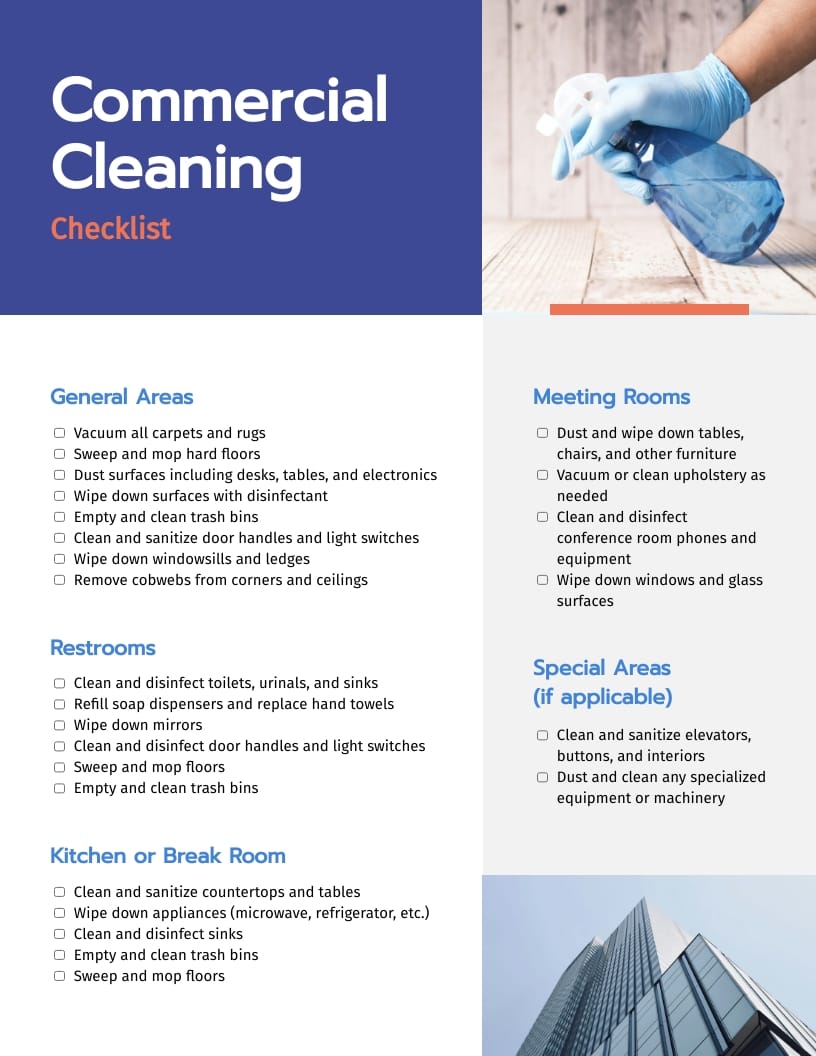
- A cleaning quality checklist office template
- Supervisor inspections + sign-off
- Consumables rules (soap, paper, bin liners)
- WHS controls + SDS for chemicals (avoid chemical misuse by cleaners)
- Security process (lost keys / security breach cleaning risk)
Key “specs” that matter in Sydney
- SLA: response time for complaints (e.g., 4 hours) and rectification window (e.g., 48 hours)
- KPIs: inspection pass rate target (e.g., 97%) + failure triggers corrective action
- Audit cadence: weekly spot checks + monthly deep-clean checks
- After-hours: access, lift bookings, alarm codes, and building rules
- Strata: common-area checklist for lobbies, lifts, stairwells
If your agreement is vague, you’ll get vague results. “Clean office weekly” is not a scope. It’s a wish.
Where costs usually go wrong (Commercial Cleaning Sydney cost)
When price is pushed too low, corners show up as: rushed bathrooms, missed bins, cross-contamination cleaning
(same cloth used everywhere), and “looks clean at night” but grime builds up by week three.
If you want a Cleaning Services Sydney price list style view, compare schedules (daily vs weekly),
not just hourly rates.
Helpful reads: Daily vs Weekly Office Cleaning ·
Small Office Cleaning Sydney (under 50sqm) Cost
3) Design & Build Quality (the “system” behind consistent cleaning)
It’s a repeatable system: checklist → inspection → photos → fixes → trend tracking.
What “good” looks like
- Colour-coded cloths to reduce cross-contamination
- Toilet + kitchen high-touch points done every clean
- Spot checks on glass, corners, under desks, skirting
- Clear handover notes (what was missed + why)
- Documented WHS (PPE, SDS, safe chemical dilution)
Red flags (fast)
- No supervisor ever visits
- No written scope (cleaning scope of works disputes)
- “We’ll fix it next time” with no timeline
- Same issues repeat weekly (inconsistent cleaning quality)
- Keys/fobs handled casually (security risk)
Want a deeper process view? See: How to Audit / Review Your Commercial Cleaner’s Performance (Sydney)
4) Performance Analysis (data that ends arguments)
4.1 Core functionality
The job is simple: keep your workplace hygienic, presentable, and consistent — without creating extra work for your staff.
- Primary use case: predictable office hygiene
- Secondary: deep cleaning and periodic resets
- Must-have: fast rectification when something fails
4.2 Quantitative measurements
Here’s a benchmark-style example from a KPI-focused approach (inspection pass rate + satisfaction tracking).
Use this kind of chart in your post-clean inspection report.
KPI/SLA reference: KPIs / SLAs a Commercial Cleaning Contract Should Include (2026)
Real-world testing scenarios (what to check in 10 minutes)
- Bathrooms: smell, soap, mirrors, taps, and toilet bases (not just the seat)
- Kitchens: sinks, microwaves, benches (sticky film is a giveaway)
- Bins: liners changed, not just “pushed down”
- Floors: corners + under desks (dust build-up)
- Glass: streaks + fingerprints at hand height
treat it as urgent. Document it, request immediate rectification, and escalate through your building’s safety process.
5) User Experience (how to get control back)
Setup / onboarding (should take 1 walkthrough)
- Walkthrough + photos of “must clean” areas
- Confirm access rules (after-hours, alarms, lifts)
- Agree on SLAs (reply time + re-clean window)
- Start weekly inspections (10 minutes)
After-hours context: After-Hours Office Cleaning in Sydney CBD (2026)
Daily usage (what your team should feel)
- Less “quiet complaining” from staff
- Bathrooms feel reset, not “touched up”
- Meeting rooms presentable without emergency wipes
- Simple reporting channel (one email or portal)
If staff keep wiping desks themselves, your cleaning system is failing — not your staff.
Plain-English jargon buster
SLA = the “promise” (response times + fix times).
KPI = the “score” (pass rate, complaint count, satisfaction).
Rectification = a free re-clean to fix what was missed.
Scope of works = the exact list of tasks + frequency.
6) Comparative Analysis (stay, fix, or switch?)
Option 1: Fix the current provider
- Best when: the team is responsive and the problems are “process” issues
- Do: formal scope reset + weekly inspections + 14-day improvement plan
- Ask for: supervisor checks + written corrective action
Option 2: Switch commercial cleaners Sydney
- Best when: repeated failures + no accountability
- Do: gather 2–4 weeks of evidence first
- Run: an overlap or staged transition to avoid downtime
Switching playbook: How to Switch Commercial Cleaning Companies Without Disruption
do it based on documented non-performance against the agreed scope. Avoid vague statements like “it’s not good”.
“Who do I complain to?” (Sydney reality check)
Start with the provider (written notice + evidence). If it’s a contract dispute, follow your contract’s dispute clause.
If the issue is misleading claims or unfair business conduct, you can report market issues to the ACCC:
ACCC: Contact us or report an issue.
If your problem is actually a workplace relations matter (not service quality), Fair Work resources are here:
Fair Work: Contact us.
(Most cleaning quality disputes are contract/service issues, not Fair Work Commission cases.)
7) Pros and Cons (honest)
What we loved (when the process is done right)
- Fast improvement once KPIs are visible
- Less staff frustration (no more “DIY cleaning”)
- Better hygiene standards workplace cleaning outcomes
- Clear escalation path (no chasing)
Areas for improvement (common limitations)
- Some providers resist measurement (no audits)
- Small offices may be over-sold complex contracts
- After-hours work needs tighter security processes
- Deep cleaning is often missing from “cheap” quotes
8) Evolution & Updates (2026 changes you should know)
What’s changed in 2026
- More contracts include KPI dashboards (not just promises)
- More focus on infection control + high-touch points
- More proof expectations: photos, reports, checklists
Future roadmap (what to expect next)
- QR code check-in/out for after-hours teams
- Cleaner documentation packs for strata buildings
- Stronger verification culture (date-stamped evidence)
Why “2026-only proof” matters (and how to stay honest)
Don’t invent testimonials. Use date-stamped screenshots and keep originals.
If you want a simple “date check” idea, see the 2026-only verifier concept:
How to measure cleaning quality (includes a 2026-only verifier idea).
9) Recommendations (Best for / Skip if / Alternatives)
Best for
- Offices needing Best Commercial Cleaning Sydney consistency
- Strata buildings needing common area hygiene improvements
- Teams sick of repeating the same complaints
Facility manager angle: How facilities managers choose a commercial cleaner (2026)
Skip if
- You have no contract and want “ad hoc” only
- You won’t do inspections at all (10 mins/week)
- You only need a tiny clean once a month
If you’re a micro office: check Small office cleaning under 50sqm.
Alternatives to consider (by scenario)
- Deep reset needed: book a periodic Deep Cleaning Services Sydney session, then resume maintenance cleans
- Strata complaints: formalize a strata / building management cleaning complaint process and update scope
- Regional: if you’re outside Sydney, you may compare service coverage (e.g., “Commercial Cleaning Wollongong” queries)
Related pages: What’s included in strata/common area cleaning (Sydney) ·
Commercial Cleaning Melbourne
10) Where to Buy (book in Sydney + price/value)
Level 26/44 Market St, Sydney NSW 2000, Australia · 1300 809 090
Book / enquire
What to watch for
- Is the scope specific or vague?
- Are KPIs/SLA written or “promised”?
- Is there a re-clean guarantee for missed tasks?
- Do they handle keys/fobs and alarms properly?
If you want a simple data view, this referenced spreadsheet is included as a resource link:
Service data spreadsheet
11) Final Verdict
Overall rating (process effectiveness)
9.3 / 10
Not because cleaning is “mysterious” — but because measurement works.
When you treat cleaning like a checklist + audit system, quality stops being random.
Bottom line
If your office cleaning not up to standard in Sydney:
document → request rectification → enforce KPIs/SLA → switch if it repeats.
Don’t wait months while staff morale drops and hygiene slips.
If you need a clean switching pathway: Switch without disruption.
12) Evidence & Proof (screenshots, videos, and 2026-only testimonials)
Verifiable 2026-only testimonial snippets (with source links)
Client Testimonial – March 2026
“After months of commercial cleaning service issues, we changed providers. Within two weeks, complaints dropped to zero.” – Sydney Finance Manager
Source: Unhappy with current commercial cleaning company (2026)
Operational KPI context (2026)
If you want to prove improvement, track inspection pass rates and satisfaction over time.
This is how you demonstrate “fixed” vs “still failing”.
KPI/SLA model source: KPIs / SLAs guide (2026)
Optional: add a “2026-only verification” box to your own site
If you’re publishing this content, you can add a small verification tool that checks whether a testimonial date is in 2026
(to keep the page truthful and “date-locked”).
Reference concept: Measurement guide (includes verifier idea).