One of the most practical questions any Sydney office manager faces is deceptively simple: how often should we be cleaning? Too infrequent and hygiene suffers. Too frequent and you’re paying for visits that add little value. Getting the balance right requires understanding what influences cleaning frequency and how different office environments respond to different schedules.
This guide is designed for facilities managers, office managers, and business owners who want a clear, evidence-based answer rather than a generic recommendation.
The Core Variables
Cleaning frequency should be driven by four primary variables:
- Number of people using the space daily
- Type of work conducted (food prep, client meetings, manual labour, desk work)
- Size and layout of the premises
- Industry-specific hygiene requirements
These factors interact in ways that make blanket recommendations unreliable. A 500 sqm office used by 15 remote workers who are rarely on-site will need less frequent cleaning than a 200 sqm space used by 40 people every day.
Recommended Frequencies by Office Type
High-Traffic Offices (50+ People Daily)
Daily cleaning is the standard for offices with significant daily headcount. This covers vacuuming and mopping, bathroom sanitisation, kitchen maintenance, surface disinfection, and rubbish removal. High-touch zones such as lift buttons, door handles, and shared technology should be disinfected every visit.
Moderate-Traffic Offices (15–50 People)
Three to five visits per week is the typical recommendation. Daily bathroom servicing may still be warranted depending on usage intensity. Deep cleans should be scheduled quarterly.
Low-Traffic Offices (Under 15 People)
Two to three visits per week generally maintains adequate hygiene for small teams. Kitchen and bathroom areas should be prioritised at each visit. Staff can manage minor tidying between visits without undermining professional cleaning outcomes.
If you’re also considering how this relates to your budget, the 2026 commercial cleaning pricing guide for Sydney provides context on how frequency affects cost.
Frequency for Specific Zones Within Your Office
It is worth noting that not every area of your office requires the same cleaning frequency. A well-structured scope of works will differentiate between zones:
Daily Zones
- Bathrooms and amenities
- Kitchen and breakroom surfaces
- Reception and client-facing areas
- High-touch surfaces throughout
- Rubbish removal from all areas
Three Times Per Week Zones
- Private offices with low foot traffic
- Meeting rooms with moderate usage
- Corridors and stairwells
Weekly Zones
- Storage rooms and server areas
- Window ledges and skirting boards
- Tops of cabinets and shelving above eye level
Monthly or Quarterly
- Deep carpet extraction
- Floor stripping and resealing
- Air vent cleaning
- Internal appliance deep cleaning
Understanding this zone-based approach ties directly into what is included in commercial cleaning services in Sydney, which covers each zone in more detail.
How Often Should Deep Cleaning Be Scheduled?
For most Sydney offices, a deep clean once per quarter is the baseline recommendation. High-traffic or food-adjacent environments should schedule deep cleans monthly. Post-construction, post-renovation, or post-significant illness events all warrant an unscheduled deep clean regardless of when the last one occurred.
The article on how often an office should be deep cleaned in Sydney provides a detailed schedule framework including what each deep clean should cover.
Adjusting Frequency Seasonally
Sydney’s climate influences cleaning frequency in ways that many businesses don’t account for. Key seasonal considerations include:
- Winter flu season: higher frequency disinfection of shared surfaces reduces absenteeism
- Summer humidity: increases mould risk in bathrooms and kitchens, particularly in older buildings
- Construction season: increased dust and particulate infiltration from nearby building activity
- Christmas holiday period: reduced cleaning frequency when offices are largely empty can create problems if not reactivated promptly before staff return
What Happens When You Clean Too Infrequently
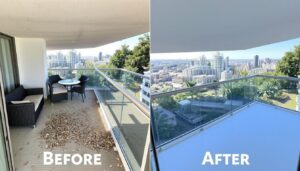
Beyond the obvious hygiene concerns, under-cleaning has measurable business consequences. Increased staff sick days, complaints from clients visiting the premises, and accelerated wear on carpets and floor surfaces from embedded dirt are all documented outcomes of insufficient cleaning frequency.
If you are seeing warning signs — odours, visible grime accumulation, or staff feedback — it is worth reviewing your current setup. The article on what to do when your office cleaner does a poor job in Sydney can help if the issue is with your existing provider rather than frequency alone.
Tracking Frequency Compliance
Once you have set a cleaning schedule, monitoring that it is being delivered as agreed is equally important. KPI frameworks, inspection checklists, and regular walkthroughs are the most practical tools for doing this.
Versatile Property Services has published a practical guide on what KPIs to track for office cleaning in Sydney that is useful reading for any facilities manager responsible for cleaning oversight.
Getting Professional Advice on the Right Frequency
If you are unsure what frequency your office requires, the best approach is an on-site assessment by a qualified provider. Generic online calculators or sq-metre-based estimates rarely account for the specific characteristics of your space.
Versatile Property Services offers free site assessments for Sydney businesses and can recommend a tailored cleaning frequency. Visit their commercial cleaning Sydney page to get started.