How do office cleaners access offices after hours in Sydney?
How do office cleaners access offices after hours in Sydney? In most well-run sites, the answer is simple: a clear handover, approved building access for cleaners, a logged entry method, and a lock-up routine that protects staff, tenants, and the building. This guide explains the real after hours office cleaning access process Sydney teams use every night.
Quick answer
- Access authorisation is agreed before the first clean.
- Cleaners enter by key, swipe card access, lockbox, concierge, or supervised access.
- Alarm arm/disarm procedure, restricted access areas, and incident reporting are documented.
- The team cleans to scope, logs issues, and completes a secure handover before exit.
After hours office cleaning in Sydney works best when access is boring, predictable, and secure
When I review Office Cleaning Sydney setups, I keep seeing the same truth: the cleaning itself is rarely the risky part. The risky part is the access. If nobody knows who holds the key, who uses the swipe card, who disarms the alarm, or who signs the lock-up, problems start fast.
That is why strong Commercial Office Cleaning Sydney plans treat entry and exit like part of the service, not a side note. Good after-hours operations protect confidentiality and trust, reduce disruption, and make the office feel reset before staff arrive.
EEAT / BIO context: this article is written in the service voice of Versatile Property Services, Level 26/44 Market St, Sydney NSW 2000, Australia, 1300 809 090, using the public office-cleaning pages supplied by the client as the reference base.
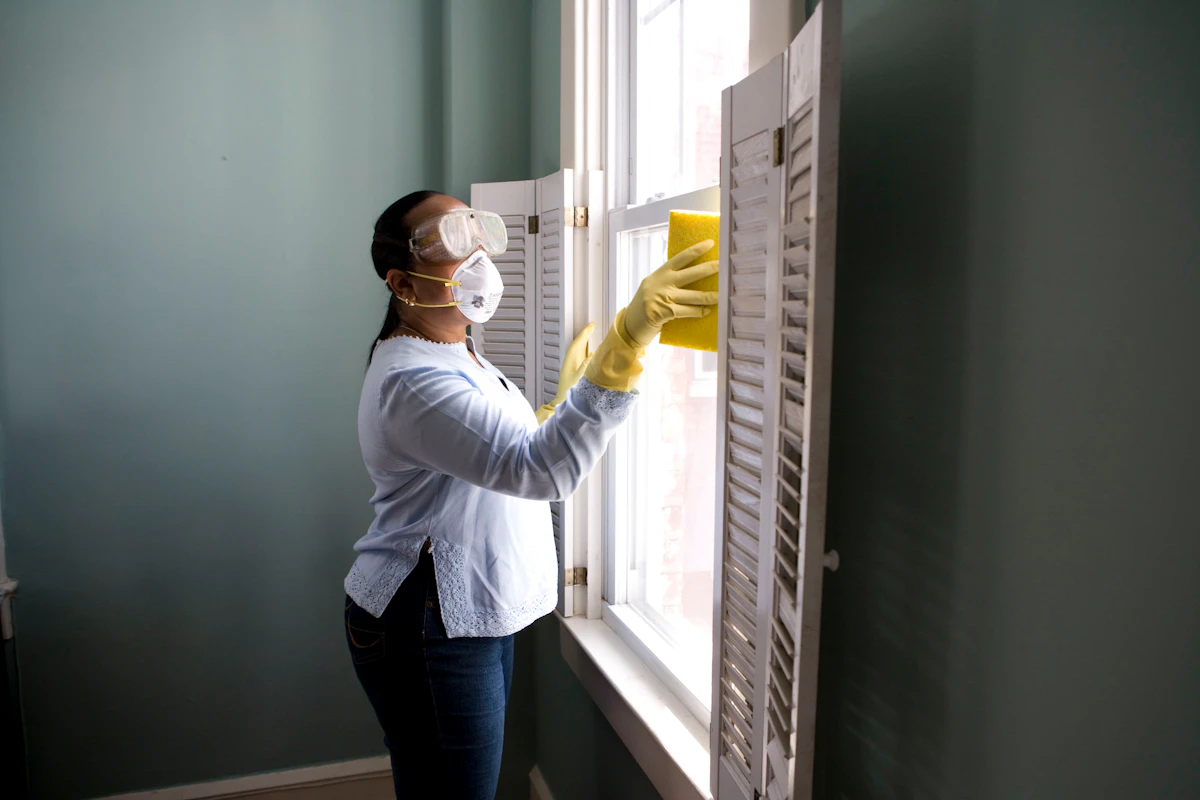
Illustrative visual for after-hours cleaning. The source proof cards below use 2026 public pages and official guidance.
How commercial cleaners access locked offices in Sydney: the service “box” explained
What’s included
- Access permissions for cleaners
- Site induction for cleaners
- Key management system or swipe card access
- Alarm codes for cleaners or supervised alarm access
- Restricted access areas map
- After hours cleaning checklist and lock-up procedure
- Access logs and reporting
Key specifications
Who this is for
Property managers, office managers, strata contacts, tenant reps, and facility managers comparing Office Cleaning Companies Sydney or planning General Office Cleaning outside staff hours.
Value lens: the real value is not just a lower Office Cleaning Sydney Cost. It is lower disruption, fewer missed steps, cleaner morning presentation, and better office cleaning security and access management Sydney teams can trust.
The best Office Cleaning Services Sydney setups are built like a system, not a guess
Think of the service design like a set of doors. Each door needs a clear answer. Who opens it? Who closes it? Who logs it? Which rooms are out of bounds? Where are the office keys and lockboxes stored? Who approves special access when the tenant security policy changes?
In a good system, the structure feels simple. There is a clean scope of works, authorised entry rules, and a handover that can be checked the next morning. That “build quality” matters because after-hours operations happen when fewer people are around to fix mistakes.
| Access item | Why it matters | Best practice |
|---|---|---|
| Key sign-out process | Prevents lost-key confusion | Named holder, dated log, return check |
| Swipe card access | Tracks entry time | Limit card to approved zones only |
| Alarm arm/disarm procedure | Stops false alarms and stress | Keep instructions short and tested |
| Restricted access areas | Protects sensitive rooms | Mark clearly in induction notes |
| Incident reporting | Creates proof when something changes | Photo, time stamp, short action note |
How do office cleaners get into offices after hours — and what makes the process perform well?
4.1 Core functionality
Pre-start authorisation
Before the first shift, the building manager access arrangements are agreed. This can include strata building access, concierge sign-in, loading dock rules, and secure entry systems.
Entry and sign-in
The cleaner enters using the approved method: swipe card access, coded lockbox, supervised access, or direct key release. Good Sydney Office Cleaning systems always pair access with a record.
Alarm and floor access
If the site uses monitored alarm systems, the alarm codes for cleaners must be handled carefully. Many offices keep this with one trained lead rather than sharing it widely.
Clean to scope
The team follows the after hours cleaning checklist, completes kitchen, washroom, floor care, bins, touchpoints, and any commercial office cleaning services agreed in the scope.
Secure handover
Lights, alarms, waste points, windows, and final lock-up are checked. Any issue is logged. This final minute is where trusted commercial cleaning team habits really show.
4.2 Key performance categories
Security performance means more than a locked door. It means cleaners only enter approved zones, access methods are traceable, and sensitive rooms stay protected in a security-sensitive environment.
Fast does not mean rushed. Strong after-hours commercial cleaning works because cleaners can move through empty rooms without interrupting meetings, phones, or visitors.
The real benchmark is simple: does the office feel reset before the first staff member arrives? If yes, the schedule, access, and cleaning sequence are working together.
Access friction checker
Use this quick tool to see how much access complexity can affect your after-hours setup.
Case pattern I see often in Sydney CBD
A tenant wants after hours office cleaning because daytime cleaning interrupts calls. The building requires concierge sign-in, lift access after 6pm, and a strict lock-up checklist. Once those three points are written down, the cleaning runs smoothly.
That is why the best Commercial Cleaning Sydney plans look calm on the surface. The prep work happened earlier.
What daily use feels like for office managers and building teams
Setup / installation process
Set-up is usually short if the office manager can answer five questions fast: who approves entry, what rooms are out of scope, where keys live, who controls the alarm, and how issues get reported.
Daily usage
The best experience feels quiet. Staff leave. The cleaners arrive. The site is cleaned. The office is ready next morning. Nobody has to chase a missing key or wonder if the alarm was left off.
Learning curve
The learning curve should be low. If the process needs long explanations every week, the system is weak.
Interface / controls
For modern sites, access control usually means concise written notes, one named site contact, and short instructions for any alarm arm/disarm procedure. Simple wins.
When after-hours office cleaning beats daytime cleaning
| Option | Best for | Trade-off | Choose it when |
|---|---|---|---|
| After-hours cleaning | Busy offices, client-facing spaces, CBD sites | Needs stronger access planning | You want a reset office by morning |
| Daytime cleaning | Small, low-traffic sites | More interruptions | You need immediate spill or washroom response |
| Hybrid cleaning | Large teams with kitchens and washrooms under pressure | More coordination | You need visible daytime touch-ups and deeper night work |
| In-house ad hoc cleaning | Very small offices | Lower consistency and weaker proof | You have minimal scope and no complex access rules |
Unique selling point: after-hours office cleaning shines when the office needs to look finished before the first coffee machine starts. That is especially true for Office Cleaning Sydney CBD sites with meetings from the first hour of the day.
What we loved
- Low disruption for staff and clients
- Better access to desks, kitchens, and bathrooms
- Cleaner morning presentation
- Easier deep work on floors and touchpoints
- Strong fit for Sydney Office Cleaning in busy CBD buildings
Areas for improvement
- Access mistakes can cause bigger headaches after hours
- Some sites need extra coordination with concierge or strata
- Short shift windows can raise pressure
- Weak documentation can create blame the next morning
- Costs can rise when CBD access friction is high
What 2026 public guidance shows
Recent 2026 pages published around Sydney office cleaning repeatedly lean into the same improvements: clearer proof cards, stronger scope notes, after-hours access logic, and more visible guidance on comparing quotes, contracts, and service timing. That matters because buyers are no longer just asking for cleaners. They are asking for cleaner systems.
Official 2026 NSW material also reinforces the need for safer systems of work and more caution around after-hours entry, screening, and access controls in workplaces and facilities.
Best for, skip if, and alternatives
Best for
Teams needing reliable after hours cleaning services, a tidy office by morning, and a provider that understands office cleaning safety procedures, reporting, and authorised entry.
Skip if
Your office is tiny, rarely used, and has no security or presentation needs. In that case, a simpler daytime routine may be enough.
Alternatives to consider
Hybrid schedules are often the sweet spot for large CBD tenancies: night cleaning for the heavy reset, daytime support for washrooms, bins, and quick touchpoints.
Book with Versatile Property Services
Versatile Property Services
Level 26/44 Market St, Sydney NSW 2000, Australia
1300 809 090
If you need Commercial Office Cleaning Services, a Sydney CBD quote, or a broader Commercial Cleaning Sydney scope review, use the internal pages below.
Overall rating: 9.1 / 10
Bottom line: after-hours office cleaning is usually the smartest choice for busy Sydney workplaces, but only when the access process is clean, clear, and documented. The strongest results come from secure handover, a simple key or swipe plan, careful alarm handling, and proof-ready reporting.
If you have been asking who lets office cleaners into offices after hours, the honest answer is this: the building lets them in through an approved system. Good providers do not “wing it.” They follow the system.
2026-only public proof, source pages, visuals, and video
2026 access workflow proof
Versatile’s public 2026 page explains after-hours cleaning as a planned building operation with entry after staff leave, approved access, low-noise work, and a strong handover.
2026 timing and operating fit
Current 2026 Sydney guidance highlights busy after-hours windows and why after-hours cleaning often fits CBD offices better than daytime disruption.
2026 public testimonial snapshot
A current 2026 contract page includes this public snapshot: “We currently have Versatile Property Service coming in to clean our office on a weekly basis… professional and have great attention to detail…”
NSW after-hours entry controls
Current NSW Health guidance says after-hours entry points should use camera/intercom screening and that staff should be cautious in allowing entry, with escorting and colleague notification considered where needed.
2025–26 SafeWork NSW compliance context
SafeWork NSW states it will strengthen enforcement in 2025–26 around safe systems of work, especially in larger workplaces. That makes documented access, consultation, and clear procedures more important for after-hours operations.
Quick answers people actually ask
Do office cleaners use keys or swipe cards?
Both. Many Sydney offices use swipe cards because they create cleaner access records. Smaller sites may still use keys or lockboxes.
Who lets office cleaners into offices after hours?
Usually the office manager, building manager, concierge, or tenant contact sets up the approved entry method before the first shift.
How do cleaners enter office buildings at night?
Most enter by authorised swipe card access, concierge sign-in, key management system, coded lockbox, or supervised access if the site is sensitive.
What if the office has restricted rooms?
Those areas should be marked clearly in the site induction and excluded unless written approval says otherwise.
What should be written into the contract?
Entry method, contact names, alarm process, reporting, restricted zones, consumables, frequency, lock-up steps, and incident escalation.