As hybrid work becomes the new standard across many industries, the traditional definition of office spaces has evolved. Once bustling five days a week, workplaces are now being used more flexibly—sometimes only two or three days a week—creating unique challenges and opportunities for facility managers and cleaning service providers alike. The rise of hybrid workspaces demands a fresh approach to cleanliness, hygiene, and overall facility management, with a strong emphasis on adaptability, cost efficiency, and compliance with new health and safety standards.
In this article, we explore how the commercial cleaning industry is adjusting to the dynamics of hybrid work environments. We examine best practices, key regulations, and the role of companies like Versatile Property Services in delivering reliable, tailored solutions for this evolving landscape.
The Hybrid Workspace Landscape
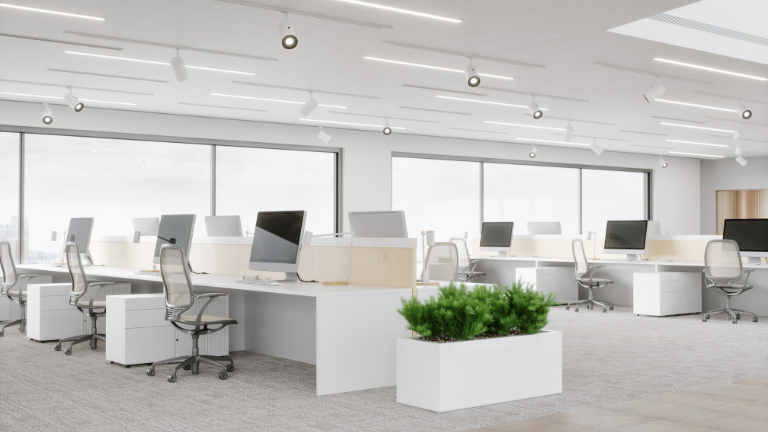
Hybrid workspaces combine remote and in-office working, often allowing employees to choose when and where they work. This flexibility reduces foot traffic and alters usage patterns of office spaces, meeting rooms, and shared amenities.
This shift has three major implications for commercial cleaning:
- Irregular occupancy requires dynamic scheduling of cleaning tasks.
- Heightened hygiene awareness post-pandemic raises expectations for visible cleanliness.
- Sustainability goals prompt businesses to optimise cleaning frequencies and methods.
As such, office cleaning companies are rethinking how they deliver value—moving from routine, time-based cleaning to responsive, need-based cleaning strategies.
Challenges for Office Cleaning Services in Hybrid Environments
Traditional cleaning models were built on predictable occupancy and fixed schedules. In contrast, hybrid models require:
- On-demand cleaning aligned with employee schedules or meeting room bookings.
- Flexible staffing to manage peaks in footfall on certain days.
- Zone-based cleaning that targets only the areas in use.
- High-touchpoint disinfection to mitigate the risk of illness spreading, even in partially used spaces.
An office cleaning company must now be agile enough to adapt to changes in real time while maintaining service quality and regulatory compliance.
Best Practices for Cleaning Hybrid Workspaces
To address these complexities, leading office cleaning services have adopted best practices that prioritise efficiency, transparency, and responsiveness:
1. Smart Scheduling with Occupancy Data
Modern cleaning solutions are increasingly integrated with workplace scheduling systems. By accessing real-time occupancy data, cleaning teams can prioritise high-traffic areas while reducing unnecessary cleaning of unused zones. This not only saves time and costs but aligns cleaning operations with actual usage.
2. Use of Green Cleaning Products
With reduced occupancy, many companies are aligning cleaning practices with their sustainability goals. Using eco-friendly, low-toxicity cleaning solutions protects both indoor air quality and the health of part-time occupants. Versatile Property Services, for example, uses biodegradable products that meet Australian environmental standards.
3. High-Touchpoint Protocols
Regardless of occupancy levels, areas such as elevator buttons, door handles, kitchen counters, and shared equipment must be disinfected regularly. High-touchpoint cleaning remains non-negotiable in hybrid environments and should be documented as part of a daily hygiene protocol.
4. Communication and Transparency
Cleaning services must now be more visible to employees. Signage that confirms the last time an area was cleaned and the use of “cleaning in progress” indicators not only reassure occupants but build trust. Transparency has become a competitive advantage in the cleaning industry.
5. Staff Training and Compliance
Hybrid workspaces still fall under the jurisdiction of workplace health and safety regulations. Cleaning staff must be trained not just in general cleaning methods, but in updated compliance protocols—including infection control, chemical handling, and new cleaning technologies.
Regulatory Considerations and Compliance
Health and safety compliance remains essential, regardless of changes in occupancy. In Australia, this includes adherence to:
- Safe Work Australia guidelines
- National Infection Prevention and Control Standards
- Environmental Protection Agency regulations for cleaning product use and waste disposal
Companies must also keep detailed logs of their cleaning schedules and procedures to prove compliance in audits or in the event of an incident.
Versatile Property Services, as an industry leader, ensures that its team is trained to the latest regulatory standards and implements regular audits to uphold quality. This proactive stance is critical for businesses aiming to reduce liability and provide a safe environment for their workforce.
The Role of Technology in Evolving Cleaning Strategies
Technology plays a pivotal role in managing hybrid workspace cleaning. Key innovations include:
- IoT-enabled sensors to monitor room occupancy and cleanliness
- Mobile apps that allow employees to report cleaning issues or request services
- Digital dashboards for property managers to track cleaning performance and resource allocation
These tools enable office cleaning companies to respond faster, manage staff more effectively, and maintain a higher level of service without increasing costs.
Tailored Cleaning Plans: One Size No Longer Fits All
In the past, cleaning services were largely standardised. Today, a tailored approach is non-negotiable. Businesses need cleaning solutions based on:
- Their specific hybrid work model
- Foot traffic patterns
- The layout and ventilation of their space
- Industry-specific hygiene requirements
We offer customised packages that consider these variables. This ensures not only cleanliness but also cost-efficiency and alignment with the company’s operational goals.
Conclusion: Cleaning as a Strategic Partner in Workplace Success
As the nature of work continues to shift, the commercial cleaning industry must also evolve. Office cleaning services are no longer a background utility—they are a strategic function integral to employee safety, brand reputation, and operational continuity.
Partnering with Versatile Cleaning Services allows businesses to maintain a clean, compliant, and welcoming environment, no matter how often their teams are physically present. By embracing technology, customisation, and regulatory best practices, cleaning providers can position themselves as indispensable allies in the hybrid era.